The food
Plov, kebabs and tea: what an Azerbaijani dinner table looks like
Rice served apart from its accompaniments, grilled meat, dolma and endless black tea: the dishes behind the Baku dinner show, with the sources for each.
Hold my table ↗Quick answer
An Azerbaijani dinner is built around rice, grilled meat, herbs and tea, and the Baku dinner show's page names shared salads, kebabs and saffron plov, with a welcome soft drink and unlimited tea. Plov is the centrepiece, and Wikipedia says it is traditionally served in parts: warm rice on one platter and the accompaniments, called gara, on another, which you combine yourself. The menu depends on the option you book, so use the dishes below as a guide to what Azerbaijani cooking tends to offer and not as a promise of what will arrive.
Plov, served in parts
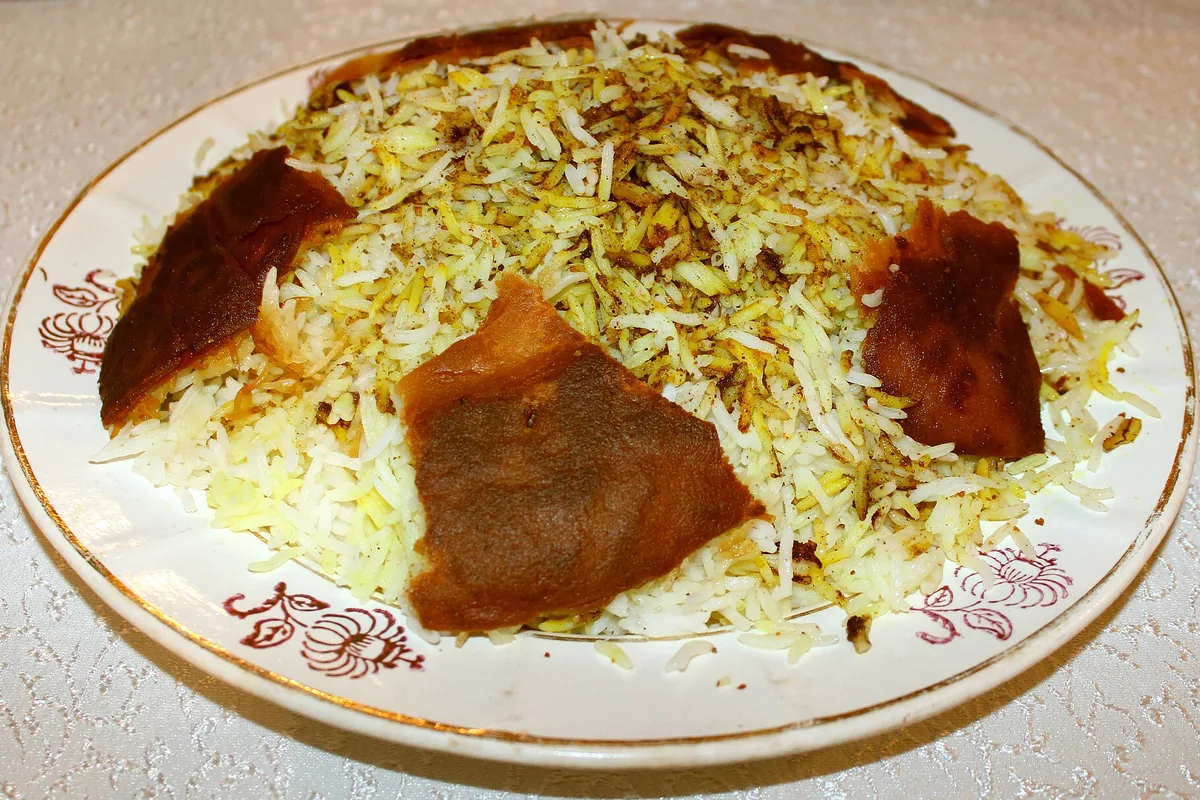
Plov is the dish most associated with a celebratory Azerbaijani table. Wikipedia's article on Azerbaijani cuisine says that it is widely eaten and comes in many varieties, made with local vegetables, meats and spices. Its traditional form has three components on separate platters: rice, served warm and never hot, gara, which is fried meat, dried fruit, eggs or fish, and a plate of herbs. The rice is not mixed with the others, even while eating. The article names several types, including kourma with mutton and onion, shirin with dried fruit and toyug with chicken. The booking page for the dinner show says saffron plov, and the listing leaves the menu to the option you choose, so which version arrives is not something this guide can tell you.
Kebabs and the grill
Grilled meat is the other pillar of the table. Wikipedia describes lula kebab as a mixture of mutton, herbs and spices shaped around a skewer and barbecued, often served with lavash, and shashlik as chunks of lamb marinated in onion, vinegar and spices, then grilled. Fish kebab, usually sturgeon, appears with narsharab, a tart pomegranate sauce. The dinner page lists kebabs among its dishes without naming the type, so you may meet any of the styles above, or none. Vegetarians are not left out: the booking page says vegetarian options are available on request, and mentioning it when you book gives the restaurant time to plan.
Dolma and the starters
Shared salads open the meal, according to the booking page, and Azerbaijani tables often add dolma alongside them. Wikipedia describes the traditional filling as minced lamb or beef mixed with rice and flavoured with mint, fennel and cinnamon, wrapped in vine or cabbage leaves. It adds that dolma was listed by UNESCO in 2017 as part of Azerbaijan's intangible cultural heritage. The dinner page does not mention dolma, so treat it as part of the wider tradition and not as a promised course. What the page does say is that the salads are shared, which sets the tone: dishes go to the middle of the table and everyone helps themselves.
Tea, from welcome to farewell
Tea is not an extra in Azerbaijan but the frame around the meal. Wikipedia says black tea is a popular drink, usually prepared in a samovar and drunk after meals, and that it is offered to guests as a welcome, often with fruit preserves. It shows tea served in armudu stekan, the pear-shaped glasses the country is known for, and notes that plov is traditionally served with ayran or black tea with lemon juice because the dish is heavy. The booking page promises unlimited tea, which suggests the evening is meant to be unhurried, and a welcome soft drink on arrival. Extra soft drinks are bought separately, and the page does not say what else the restaurant sells.
How to eat well at the table
Go hungry but pace yourself, since shared dishes keep coming and the dancing happens in between. Take a little rice and a little gara at a time, in the way Wikipedia describes, and ask the staff when a dish is unfamiliar. Say early if you avoid meat, if you have an allergy or if there is a birthday, because the page says vegetarian options are on request and birthdays can be arranged in advance, and both need warning. Beyond that, the useful skill is patience: the tea is unlimited and nobody is timing the plov.
Frequently asked questions
What is plov?
A rice dish central to Azerbaijani cooking. Wikipedia says its traditional form serves warm rice, gara and herbs on separate platters, and the booking page names saffron plov.
Will the menu be the same every night?
The booking page says the menu depends on the option chosen, so the dishes can differ between options.
Is tea really unlimited?
The booking page lists unlimited tea alongside a welcome soft drink. Extra soft drinks are paid for separately.
Sources